
Spastic Hand
Spasticity is a condition characterized by an involuntary increase in muscle tone, usually secondary to damage to the central nervous system. When spasticity affects the hand, it is known as a “spastic hand,” causing progressive joint deformities secondary to the increased muscle tone. Initially, these deformities can often be corrected passively, but over time they can develop into a fixed contracture in that position, potentially causing significant functional limitations in the affected hand. Therefore, specialized management is essential, combining rehabilitation, splinting, and in some cases, surgery.
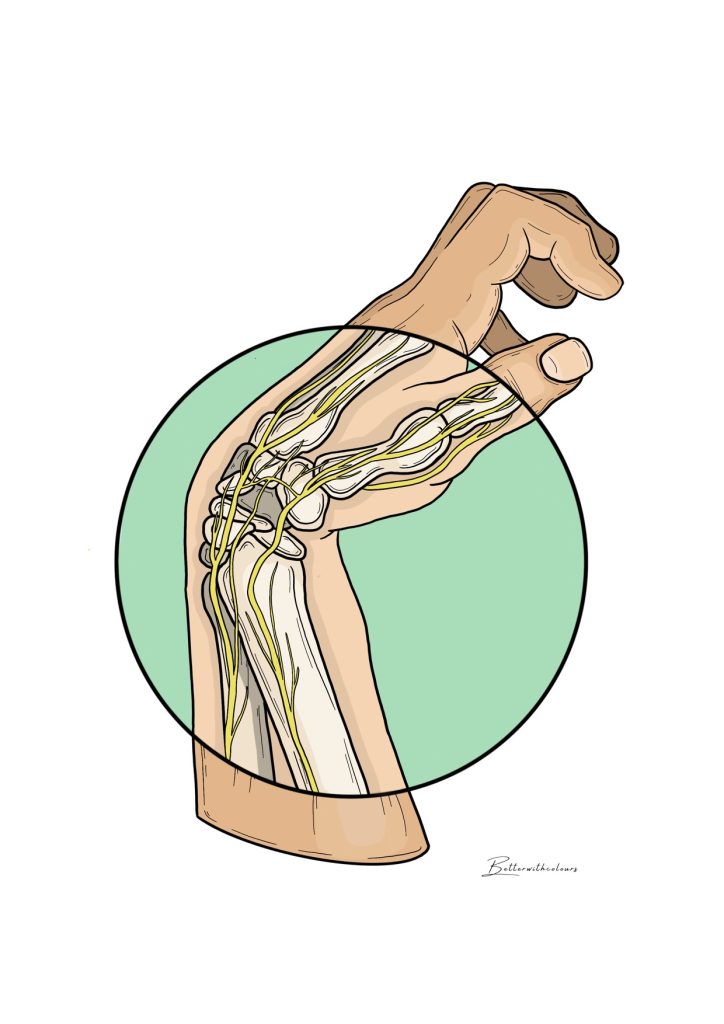
Causes of Spastic Hands
The etiology of spastic hands is usually damage to the central nervous system, which leads to an alteration in the regulation of muscle tone. Some of the main causes of spasticity include:
Stroke (CVA)
Strokes can cause damage to the central nervous system, which can secondarily lead to increased muscle tone.
Traumatic brain injuries
Traumatic injuries, such as traffic accidents, can also cause damage to the central nervous system.
Cerebral palsy
This condition, present from birth, is one of the main causes of spasticity in childhood.
Multiple sclerosis
Neurodegenerative disorders such as multiple sclerosis can also lead to increased muscle tone.
Symptoms of Spastic Hand
The symptoms of spastic hand will largely depend on the degree of spasticity present, and the number and type of structures affected, but generally consist of a combination of:
- Stiffness and contractures of the hand joints.
- Difficulty opening the hand or moving the fingers smoothly.
- Pain and discomfort due to the continuous increase in muscle tone.
- Loss of dexterity and hand function, making it difficult to perform everyday tasks.
- Difficulty with hand hygiene (advanced cases).
- In very advanced and severe cases, ulcers can develop due to the difficulty in separating the fingers from the palm or from each other.
Treatment of Spastic Hands
The main goals of treatment for spastic hands are to relieve symptoms, improve hand function, and prevent long-term complications. This involves a combination of:
Physical and Occupational Therapy
Rehabilitation is essential for maintaining or improving hand mobility. Through specific exercises, therapists can help improve mobility and muscle strength, thereby improving hand function.
Pharmacological Treatment
Muscle relaxants, such as baclofen or botulinum toxin (Botox), can often be used to reduce spasticity.
Surgery
In more severe cases, when adequate results are not achieved with more conservative treatments, surgery may be used to try to restore lost function. There are multiple surgical procedures, and the one performed will depend on the patient, the affected structures, the level of spasticity, and the desired outcomes. The most common procedures include tendon transfers, tenotomies, tenoarthrolysis, neurectomies, arthrodesis, osteotomies, etc.
Would you like a valuation? Make an appointment with us.
Every case is unique. If you need an expert opinion on your situation, we will be happy to help you. Fill in the form and we will contact you to give you a personalised assessment and, if you wish, arrange an initial appointment.