
Congenital Hand Deformity
The term “congenital hand deformity” refers to any abnormalities or alterations present in a patient’s hands from birth. This group includes numerous conditions that can affect different structures of the hand (bones, muscles, etc.), each with different functional, aesthetic, and social repercussions, and requiring specific management to achieve the best possible results.
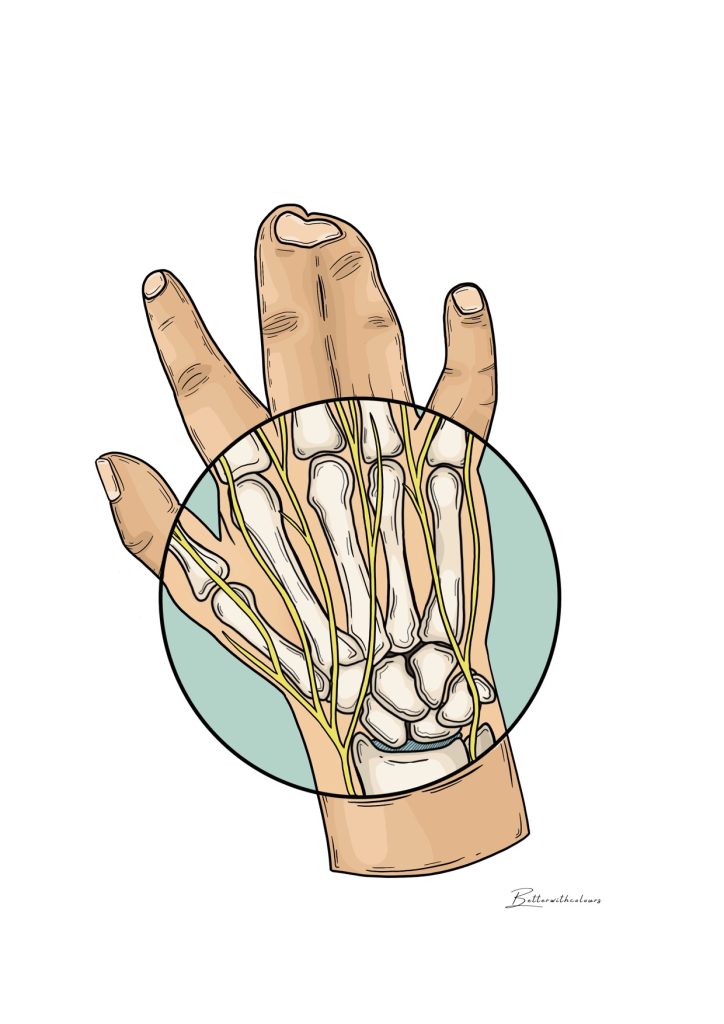
Causes of Congenital Hand Deformities
The exact etiology of most congenital hand conditions is unknown, although most appear to be associated with:
Genetic factors
The exact etiology of most congenital hand conditions is unknown, although most appear to be associated with.
Abnormal development during pregnancy
An alteration in the patient's intrauterine development can occur, which can lead to various hand pathologies.
Exposure to environmental factors
In some cases, environmental factors or the use of certain medications during pregnancy can affect the development of the fetus's hands.
Common Types of Congenital Hand Anomalies
Many pathologies are grouped under the term “congenital hand anomalies.” Some of the most frequent are:
Polydactyly
Characterized by the presence of one or more extra fingers on one or both hands.
Syndactyly
Involves two or more fingers that are fused together, preventing them from separating.
Macrodactyly
Involves an increase in the size of one or more fingers.
Campodactyly
Involves a flexion contracture of the interphalangeal joint of the fingers, usually affecting the fifth finger.
Clinodactyly
Involves an angular deformity in the coronal plane of the affected finger, most frequently affecting the fifth finger.
Other
There are other pathologies that can affect this level such as thumb hypoplasia, cleft hand, symbrachydactyly, amniotic bands, etc.
Treatment of congenital hand defects
Treatment should be entirely individualized, depending on the patient’s specific condition and the resulting functional limitations, and is usually a combination of:
Hand Rehabilitation and Therapy
In some conditions, hand therapy is essential to improve hand function. Sometimes, splints are necessary to correct certain deformities (such as in the case of campodactyly).
Reconstructive Surgery
In some conditions, surgery is the best option to restore as much hand function as possible. The type of surgery will depend on the patient's specific condition, but it is usually a combination of techniques involving the skin, bone, and tendons.
Prostheses
In very select cases, prostheses may be used to restore some aesthetic appeal and function to the hand.
Would you like a valuation? Make an appointment with us.
Every case is unique. If you need an expert opinion on your situation, we will be happy to help you. Fill in the form and we will contact you to give you a personalised assessment and, if you wish, arrange an initial appointment.